



For nearly two decades, the smartphone has been the center of our digital lives. From communication and entertainment to navigation and work, the small device in our pocket has shaped how we interact with the world.
But technology never stands still.
Today, many tech companies are already preparing for what analysts call the post-smartphone era — a time when computing moves beyond the rectangular screen we hold in our hands.
So what might come next?

One of the strongest candidates to replace—or at least complement—the smartphone is wearable technology.
Instead of pulling a phone from your pocket, you may simply:
Look at directions through AR glasses
Speak to an AI assistant
Receive messages as visual overlays in your field of view
Imagine walking through London while your glasses show:
navigation arrows on the street
restaurant ratings floating above storefronts
live translation subtitles during conversations
The interface becomes part of your environment, not a separate device.
In the smartphone era, we interact with apps.
In the next era, we may interact mainly with AI.
Instead of opening multiple apps, people might simply say things like:
“Book me the cheapest flight to Tokyo next month and find a hotel near the city center.”
An AI assistant could:
search options
compare prices
complete the booking
All without manually navigating apps.
This shift could fundamentally change how we interact with technology.
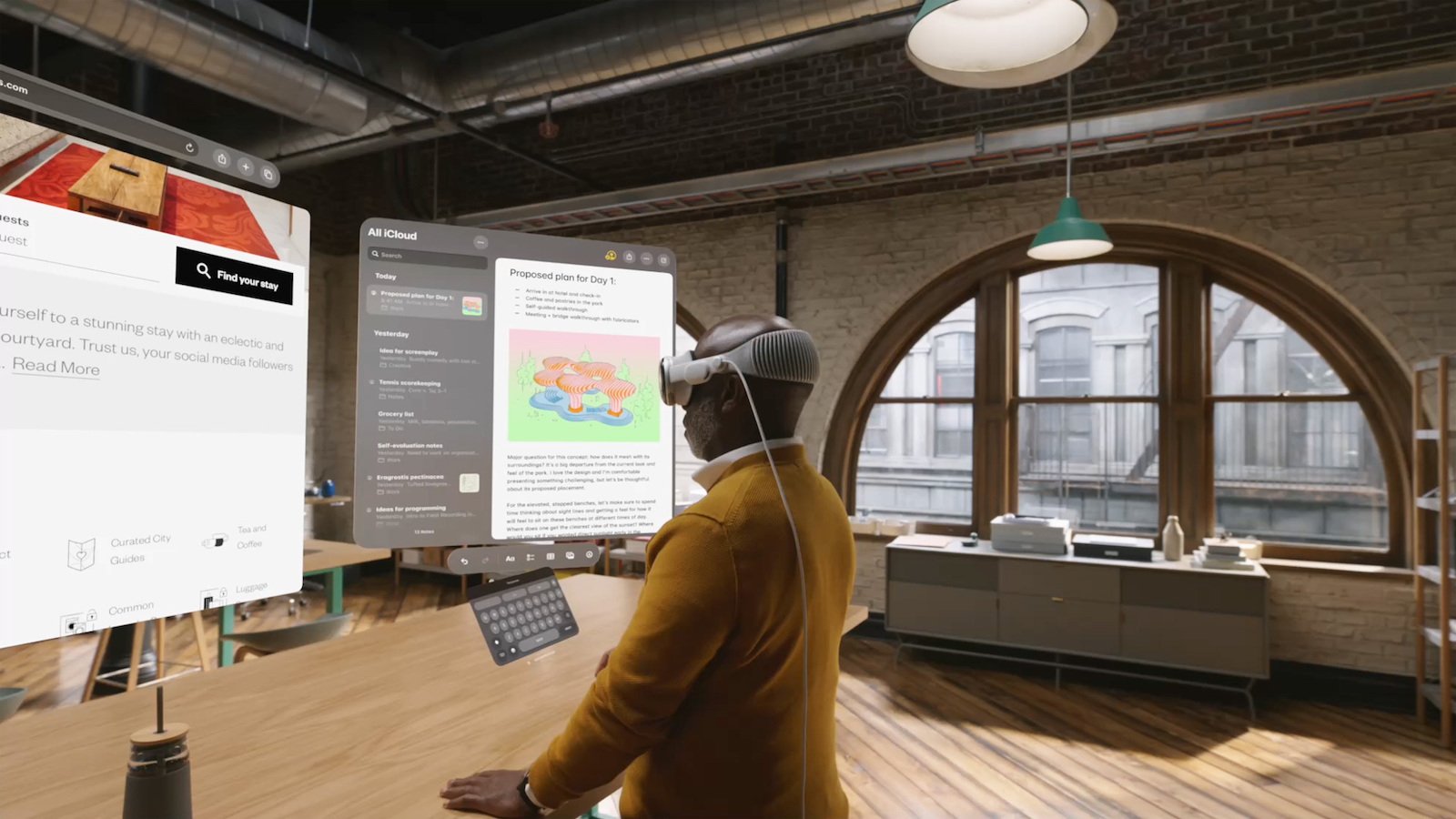


Another important concept shaping the future is spatial computing.
Instead of being limited to a phone or laptop screen, digital content may exist in the physical space around us.
For example:
Multiple virtual monitors floating above your desk
3D design models hovering in mid-air
Movies projected on any wall in your home
Technology moves from devices to environments.
Probably not anytime soon.
Just like laptops didn’t disappear when smartphones arrived, smartphones will likely remain a central hub device for many years.
They are still:
powerful
portable
relatively affordable
familiar to billions of users
Even in a future dominated by wearable devices, smartphones may continue acting as the core computing unit in our pockets.
Even if technology evolves, one thing remains true:
People always personalize their devices.
That’s why accessories—from cases to straps to wearable add-ons—continue to thrive in every generation of technology.
If you're looking for stylish and practical protection for your device today, you can explore modern designs at https://koddylondon.com.
Many users now see phone cases not only as protection but also as a fashion statement.
You can also browse some of the latest styles here:
The future probably won’t be a sudden replacement of smartphones.
Instead, we will likely see a hybrid ecosystem:
smartphones
smart glasses
wearable AI devices
spatial computing environments
Technology will simply become more invisible and integrated into daily life.
And while devices may change form, our need to protect, personalize, and express ourselves through them will remain exactly the same.
Share:
Upgrading to iPhone 17? Here’s Which Accessories You Actually Need to Replace
K-Culture Inspired Phone Cases: Korean Style Accessories Trend